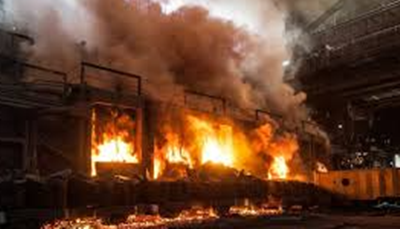
The oil and gas industry is one of the most hazardous sectors, with thousands of workers exposed to life-threatening risks daily. Accidents in oil fields often result in severe injuries, long-term health complications, and, in some cases, fatalities. When an accident occurs, injured workers and their families require legal representation to seek compensation for medical expenses, lost wages, and emotional distress.
An oil field accident attorney plays a crucial role in advocating for workers’ rights and holding negligent parties accountable. This article explores the importance of hiring an oil field accident attorney, common causes of oil field accidents, legal options available to victims, and the benefits of professional legal representation.
Understanding Oil Field Accidents
Oil field accidents can occur due to various factors, ranging from equipment failure to human error. The hazardous nature of oil drilling, transportation, and processing increases the likelihood of workplace injuries. Some of the most common oil field accidents include:
- Explosions and Fires – Due to the presence of highly flammable materials, oil fields are at constant risk of explosions and fires, leading to catastrophic injuries.
- Equipment Malfunctions – Faulty or poorly maintained machinery can cause serious injuries, including crush injuries, amputations, and burns.
- Falls from Heights – Workers frequently operate on elevated platforms, rigs, and derricks, making falls a prevalent cause of injuries and fatalities.
- Exposure to Toxic Chemicals – Prolonged exposure to hazardous chemicals can result in respiratory issues, skin diseases, and long-term health problems.
- Transportation Accidents – Oil field workers often travel between sites, increasing the risk of vehicular accidents.
- Structural Collapses – Weak or defective structures can collapse, trapping workers and causing fatal injuries.
- Heavy Machinery Accidents – Large machinery such as drilling rigs, cranes, and trucks can lead to devastating injuries when not operated properly.
Liability in Oil Field Accidents
Determining liability in oil field accidents is complex, as multiple parties may be responsible. Legal action may be taken against:
- Oil and Gas Companies – Employers have a duty to maintain a safe working environment. If safety regulations are ignored, they can be held liable.
- Equipment Manufacturers – If defective machinery or equipment caused an accident, the manufacturer may be accountable.
- Contractors and Subcontractors – Third-party contractors working on-site may be responsible if their negligence contributed to the incident.
- Landowners – Property owners leasing land to oil companies may be held liable if unsafe conditions exist on the premises.
Legal Rights of Injured Workers
Oil field workers have legal rights to compensation when injured due to negligence or unsafe working conditions. Some of the legal options available include:
1. Workers’ Compensation Claims
Workers injured on the job can file for workers’ compensation, which covers medical expenses and a portion of lost wages. However, this compensation may not cover all damages, making legal representation crucial.
2. Personal Injury Lawsuits
If negligence played a role in the accident, the injured worker may pursue a personal injury lawsuit. Unlike workers’ compensation, a personal injury claim allows for compensation related to pain and suffering, full wage loss, and punitive damages.
3. Wrongful Death Claims
If a worker loses their life due to an oil field accident, family members can file a wrongful death claim to seek compensation for funeral expenses, lost income, and emotional suffering.
4. Third-Party Liability Claims
If another company or contractor contributed to the accident, a third-party liability claim may be filed to hold them accountable.
The Role of an Oil Field Accident Attorney
Hiring a specialized oil field accident attorney provides significant advantages. These legal professionals possess industry knowledge and experience in handling complex workplace injury claims. The key responsibilities of an oil field accident attorney include:
- Investigating the Accident – Conducting a thorough investigation to determine the cause and responsible parties.
- Gathering Evidence – Collecting medical records, witness statements, and safety reports to build a strong case.
- Negotiating with Insurance Companies – Ensuring victims receive fair settlements instead of lowball offers from insurance providers.
- Filing Lawsuits – If necessary, filing legal claims against negligent parties to secure maximum compensation.
- Advocating in Court – Representing the injured worker in trial if settlement negotiations fail.
- Ensuring Compliance with Legal Deadlines – Meeting all filing deadlines to avoid case dismissals due to statute limitations.
Compensation Available for Victims
The compensation an injured oil field worker can receive depends on the severity of the injury and the legal action taken. Potential compensation may include:
- Medical Expenses – Covering hospital bills, surgeries, rehabilitation, and long-term medical care.
- Lost Wages – Compensation for lost income during recovery and, in severe cases, future lost earnings.
- Pain and Suffering – Addressing physical pain, emotional trauma, and reduced quality of life.
- Disability Benefits – Financial support for workers suffering from permanent disabilities.
- Punitive Damages – Additional compensation in cases of gross negligence to punish the responsible party.
Choosing the Right Oil Field Accident Attorney
Selecting an experienced attorney can significantly impact the outcome of an injury claim. Key factors to consider when hiring an attorney include:
- Experience in Oil Field Accident Cases – Specialized knowledge ensures a thorough understanding of industry regulations.
- Track Record of Success – Reviewing past settlements and verdicts provides insight into the attorney’s effectiveness.
- Client Testimonials and Reviews – Positive feedback from past clients reflects the attorney’s credibility.
- Transparent Fee Structure – Most reputable attorneys work on a contingency basis, meaning fees are only paid if compensation is secured.
- Availability and Communication – A dedicated attorney should be accessible and keep clients informed throughout the legal process.
Conclusion
Oil field accidents have devastating consequences for workers and their families. Seeking legal assistance from an experienced oil field accident attorney is essential to navigate the complexities of workplace injury claims and secure fair compensation. Whether filing a workers’ compensation claim, pursuing a personal injury lawsuit, or holding a negligent third party accountable, legal representation enhances the chances of a successful outcome. Injured workers should act swiftly to protect their rights and ensure they receive the justice they deserve.

Danz has extensive experience as a senior editor at renowned publications like Money, Consumer Reports, Success, and Reader’s Digest. As a writer, his work has appeared in prestigious outlets such as The New York Times, Parade, Smithsonian, National Geographic Traveler, Investopedia, PBS NextAvenue, and Wirecutter. With over seven years of expertise, Danz specializes in personal finance, Sports, Trends and consumer topics, contributing to both major print and online platforms.