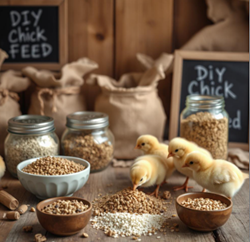
Learn how to make chick feed DIY in the U.S. with local grains, cheap feed options, and safe nutrition tips for healthy backyard chicks. Raising backyard chickens has become more than just a hobby in the United States because it’s a growing movement. From suburban families in Texas keeping a few hens for fresh eggs, to homesteaders in Vermont living sustainably, the demand for affordable, natural feed options is on the rise. That’s where “chick feed DIY” comes in.
If you’ve been wondering how to make your own feed at home, this guide breaks down the essentials, highlights regional examples across the U.S., and shows why a do-it-yourself approach can save money while keeping your chicks healthy.
Contents
- 1 Why you should Choose DIY Chick Feed?
- 2 Basic Ingredients for Chick Feed DIY
- 3 Regional Examples in the U.S.
- 4 Where to Buy Ingredients Locally
- 5 Safety Tips for DIY Chick Feed
- 6 Frequently Asked Questions (FAQs) on Chick Feed DIY in the U.S.
- 6.1 1. Can I make chick feed at home?
- 6.2 2. What is the cheapest way to feed chicks in the U.S.?
- 6.3 3. Is homemade chick feed safe for my flock?
- 6.4 4. What grains grow best in the U.S. for chick feed?
- 6.5 5. Where can I buy ingredients for chick feed DIY?
- 6.6 6. Do chicks need supplements if I make DIY feed?
Why you should Choose DIY Chick Feed?
-
Cost Savings
A bag of commercial chick starter can run between $20–$30 depending on your local farm store. Mixing your own feed with locally sourced grains can reduce costs, especially in states like Iowa or Kansas where corn and soy are abundant. -
Freshness and Control
You know exactly what goes into the mix no fillers, no artificial additives. In organic-friendly communities such as Portland, Oregon, this is a huge selling point. -
Sustainability
Many backyard farmers in California and New York State prefer DIY feed because it reduces packaging waste and allows them to buy bulk grains from local mills.
Basic Ingredients for Chick Feed DIY
When mixing your own chick feed in the U.S., consider these common ingredients:
-
Corn (ground or cracked) – abundant in the Midwest.
-
Soybean meal – high in protein, widely available in feed stores nationwide.
-
Oats and wheat – popular in northern states like Minnesota.
-
Fish meal or alfalfa – for protein boosts, common in coastal areas.
-
Supplements – grit, calcium, or vitamin mixes available at Tractor Supply or Rural King across the U.S.
A typical formula might look like:
-
50% ground corn
-
25% soybean meal
-
10% oats
-
10% wheat
-
5% fish meal or alfalfa
Regional Examples in the U.S.
-
Texas: Many small farmers use cracked corn and sorghum since they’re readily available at feed stores in the South.
-
California: Organic farmers mix wheat, peas, and alfalfa for chicks in eco-conscious backyard setups.
-
Ohio & Pennsylvania: Amish communities often mill their own chick feed blends using homegrown grains.
-
Florida: Due to heat and humidity, farmers supplement DIY feed with extra vitamins and electrolytes to support chick health.
Where to Buy Ingredients Locally
-
Tractor Supply Co. – found nationwide, a go-to spot for grains, grit, and supplements.
-
Local Feed Mills – in rural areas of Indiana, Illinois, and Kentucky, mills often sell bulk grain at cheaper rates.
-
Farmers’ Markets – in urban U.S. cities like Seattle or Boston, small-scale grain farmers sometimes sell feed-grade corn and oats.
Safety Tips for DIY Chick Feed
-
Always grind grains finely for young chicks.
-
Store your feed in airtight containers in U.S. states with high humidity (like Louisiana) are prone to mold growth.
-
Balance protein levels — aim for around 18–20% protein for starter feed.
-
Monitor your chicks — if growth slows or feathers look weak, adjust the formula.
Making your own chick feed DIY mix is not just about saving money — it’s about healthier, fresher food for your flock and more sustainable farming practices across the U.S.
Whether you’re raising a small coop in suburban New Jersey or managing a homestead in Montana, DIY chick feed lets you take control of your poultry’s diet while keeping costs manageable.
So next time you ask yourself how to cut feed expenses without compromising quality, remember: the answer might just be in your local grain bin.
Frequently Asked Questions (FAQs) on Chick Feed DIY in the U.S.
1. Can I make chick feed at home?
Yes. Many U.S. backyard farmers mix their own chick feed using corn, soybean meal, oats, and wheat. Adding protein sources like fish meal or alfalfa ensures chicks get the 18–20% protein they need for growth.
2. What is the cheapest way to feed chicks in the U.S.?
Buying bulk grains from local feed mills in the Midwest (Iowa, Nebraska, Kansas) is usually the cheapest option. Farmers in rural areas often save 20–30% compared to store-bought starter feed.
3. Is homemade chick feed safe for my flock?
Yes, as long as it’s well-balanced and stored properly. In humid states like Florida, Louisiana, or Mississippi, mold can grow quickly — so airtight containers are essential.
4. What grains grow best in the U.S. for chick feed?
-
Corn – Midwest (Iowa, Illinois)
-
Soybeans – Indiana, Ohio
-
Oats – Minnesota, North Dakota
-
Wheat – Kansas, Oklahoma
Most chick feed recipes in the U.S. are based around these locally available crops.
5. Where can I buy ingredients for chick feed DIY?
-
Tractor Supply Co. – nationwide
-
Rural King – Midwest and South
-
Local co-ops – common in farming states like Wisconsin and Kentucky
-
Farmers’ markets – popular in urban areas like Portland, Oregon or Austin, Texas
6. Do chicks need supplements if I make DIY feed?
Yes. Even in the U.S., grains alone aren’t enough. Add calcium (crushed oyster shell) and poultry vitamin mixes (available at feed stores) to keep chicks healthy and prevent leg or bone issues.

Danz has extensive experience as a senior editor at renowned publications like Money, Consumer Reports, Success, and Reader’s Digest. As a writer, his work has appeared in prestigious outlets such as The New York Times, Parade, Smithsonian, National Geographic Traveler, Investopedia, PBS NextAvenue, and Wirecutter. With over seven years of expertise, Danz specializes in personal finance, Sports, Trends and consumer topics, contributing to both major print and online platforms.