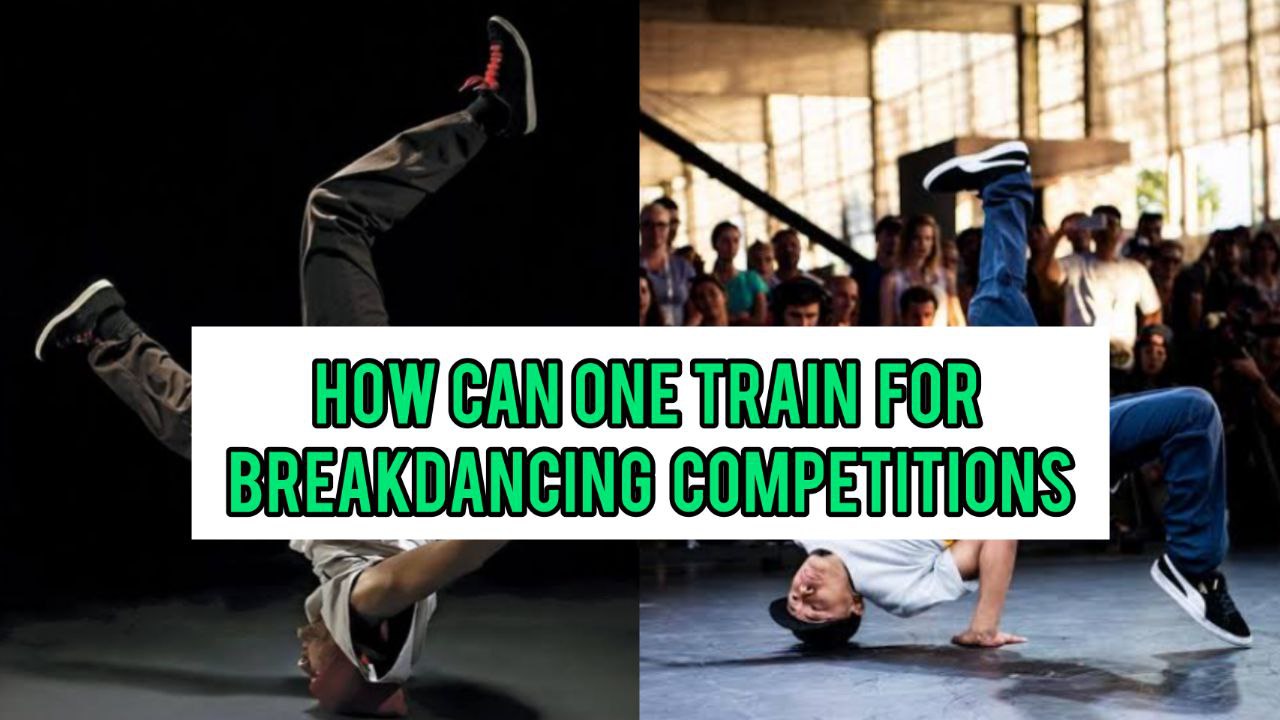
Breakdancing, or “breaking,” is much more than a sport—it’s an art, a form of self-expression, and an exciting way to connect with others. For those serious about competing, however, breakdancing can become a full-time commitment that requires discipline, creativity, and skill. If you’re interested in training for breakdancing competitions, it’s important to understand that success involves a balanced mix of physical training, mental preparation, and artistic expression. In this article, we’ll go over everything you need to know to excel in breakdancing competitions, from mastering the basics to developing your own unique style.
Contents
- 1 15 Ways One Can Train for Breakdancing Competitions
- 1.1 1. Understand the Core Elements of Breakdancing
- 1.2 2. Set Specific, Measurable Goals for Your Training
- 1.3 3. Build a Strong Foundation with Basic Moves
- 1.4 4. Hone Your Musicality and Rhythm
- 1.5 5. Strengthen Your Body and Build Endurance
- 1.6 6. Train Power Moves with Safety in Mind
- 1.7 7. Focus on Fluid Transitions
- 1.8 8. Join a Crew or Find a Dance Mentor
- 1.9 9. Analyze and Learn from Top Performers
- 1.10 10. Build Your Unique Style
- 1.11 11. Learn Battle Etiquette
- 1.12 12. Track Your Progress with Video Analysis
- 1.13 13. Master the Mental Game
- 1.14 14. Stay Consistent with Practice
- 1.15 15. Take Care of Your Body
- 2 Conclusion
- 3 FAQs
15 Ways One Can Train for Breakdancing Competitions
1. Understand the Core Elements of Breakdancing
Breakdancing is a diverse and dynamic dance style that combines athleticism and artistry. To train for a competition, you must understand the core components of breaking. Breaking involves four key elements:
- Toprock: These are the upright, rhythmic movements that kick off your routine and allow you to showcase your style before transitioning to the floor. Toprock is all about rhythm, energy, and flow.
- Downrock: Also known as footwork, downrock includes the moves you perform while on the floor. Mastering downrock helps improve your control and precision during performances.
- Power Moves: These are the gravity-defying spins, flips, and acrobatics that make breakdancing so captivating. Power moves such as windmills, air flares, and headspins require a high level of skill, strength, and agility.
- Freezes: A freeze is a pose held at the end of a move or routine to showcase control and highlight your strength. They are typically used to emphasize a transition or provide dramatic pauses.
To truly stand out in competitions, it’s crucial to master all four elements and learn how to integrate them seamlessly into your routine. Understanding these components will help you design performances that are both challenging and visually impressive.
2. Set Specific, Measurable Goals for Your Training
Training for a breakdancing competition requires structure, and the first step is to set clear, achievable goals. Without direction, your efforts may feel scattered, and progress might be slower. Break your training into smaller milestones:
- Short-term goals: These could include learning specific moves like the windmill or mastering downrock techniques in a month. Short-term goals should be achievable within a few weeks or months and should reflect the technical skills you want to refine.
- Long-term goals: For example, setting the target of competing in your first local battle or participating in a major competition like Red Bull BC One within a year. Long-term goals should push you to grow as a dancer and challenge you to develop a comprehensive routine.
By setting both short-term and long-term goals, you’ll stay focused and motivated while continuously building towards success. Tracking your progress helps you identify areas that need improvement and gives you a sense of accomplishment as you move forward.
3. Build a Strong Foundation with Basic Moves
Like any form of dance, breakdancing relies heavily on its foundation. Before diving into complicated power moves, it’s crucial to develop your fundamental skills. Mastering the basic moves—such as the six-step, three-step, and baby freeze—is essential to becoming a proficient breakdancer.
These moves may seem simple at first, but they are the building blocks for more advanced techniques. By perfecting the basics, you’ll also improve your flexibility, balance, and body control. The basics will enable you to flow more naturally between moves and avoid looking stiff or uncoordinated during your routine.
It’s easy to get caught up in the desire to learn flashy moves, but skipping the fundamentals can lead to poor form and a lack of rhythm. Set aside time to practice these basic moves until they become second nature. Remember: it’s not just about how complex the move is, but how well you execute it.
4. Hone Your Musicality and Rhythm
One of the defining features of breakdancing is its connection to music. It’s not enough to simply execute moves; you need to feel the rhythm and flow with the music. Musicality is about understanding the beat and timing of the song you’re dancing to and letting the music guide your movements.
When training, listen to various genres of music, especially funk, hip-hop, and breakbeats, which are traditional in breakdancing. These rhythms form the backbone of your dance. Get comfortable with the concept of musical breaks and syncopation, and practice dancing to different tempos.
During your practice sessions, try freestyling to various tracks and allow the music to inspire your movements. Experiment with different styles, and don’t be afraid to go with the flow. The more you immerse yourself in the music, the more naturally your moves will align with the beat.
5. Strengthen Your Body and Build Endurance
Breakdancing is physically demanding. From the explosive power moves to the fluid footwork, your body must be in top shape to execute them with precision and style. Here are some key aspects to focus on:
- Strength Training: Breakdancing demands both upper-body and core strength. Exercises like push-ups, pull-ups, planks, and leg lifts will target the muscle groups needed for power moves, freezes, and footwork.
- Cardio: Breakdancers need to be able to dance for long periods without tiring. Running, cycling, and HIIT are great ways to build stamina and endurance. Incorporating cardio exercises will help you maintain energy throughout long battles or practice sessions.
- Flexibility: Flexibility is crucial to fluidity and movement. Stretch regularly to prevent injury and increase your range of motion. Focus on your hips, back, and legs—these areas are often involved in breaking.
Maintaining a balanced fitness regimen is key to performing your best and staying injury-free. By building strength, endurance, and flexibility, you’ll be able to execute every move with confidence.
6. Train Power Moves with Safety in Mind
Power moves are the showstoppers of breakdancing. However, they can also be the most difficult and risky moves to master. Moves like windmills, flares, and headspins require a lot of body control, strength, and practice.
To avoid injury, start with the basics and gradually work your way up. Begin with moves that require less momentum, such as the basic windmill or baby flare, and practice them consistently.
When learning power moves, always use proper form. It may be tempting to try advanced moves too soon, but progressing step by step is crucial. Don’t forget to warm up before training, and make sure to cool down afterward to minimize muscle strain.
7. Focus on Fluid Transitions
In breakdancing, it’s not just about the individual moves—it’s about how seamlessly they come together. Your transitions are what will make your performance stand out. You don’t want to look like you’re stopping and starting each move; instead, aim for a smooth flow from one move to the next.
One way to work on transitions is to practice moving from a basic move into a power move or a freeze. Try different combinations and pay attention to your timing and rhythm. The smoother the transition, the more professional your performance will appear.
Another trick is to learn how to “link” moves. These are the connecting steps or flows that lead from one move to the next. By working on transitions, you can create an entire routine that feels cohesive and dynamic.
8. Join a Crew or Find a Dance Mentor
While breakdancing is an individual sport, it’s also rooted in community. Joining a dance crew or finding a mentor can accelerate your growth. A crew offers a support system where you can learn, share ideas, and get feedback. Working with more experienced dancers can help you refine your style, learn new moves, and stay motivated.
Having a mentor is equally valuable. A mentor can guide you through technical challenges, provide constructive criticism, and offer personal insights that can fast-track your progress.
If you’re new to breakdancing or struggling to find a crew, don’t worry. Start by attending local events, joining online communities, or attending workshops to connect with other dancers. The breakdancing community is vast and welcoming, and you’ll find people who share your passion.
9. Analyze and Learn from Top Performers
One of the most effective ways to improve your breaking is by learning from the best. Watch videos of top B-boys and B-girls who have excelled in competitions. Pay attention to their timing, moves, and performance style.
Competitive dancers like Cloud or Junior are known for their technical precision and unique style. Study their techniques, but also try to understand how they engage with the crowd and judges. Their performances aren’t just about the moves—they tell a story and show personality.
Learning from these professionals is an excellent way to inspire your training and integrate new ideas into your own routine.
10. Build Your Unique Style
One of the most important aspects of becoming a successful breakdancer is developing your own unique style. While it’s great to draw inspiration from others, it’s essential to let your personality shine through in your performance.
Focus on combining moves that highlight your strengths, whether it’s power moves, freezes, or footwork. Use your creativity to add personal flair and signature moves that make your routine memorable.
Competitions are often judged not just on technical skill but on creativity and originality. The more you can stand out with your unique style, the more likely you’ll catch the judge’s eye.
11. Learn Battle Etiquette
In breakdancing competitions, battling is an integral part of the experience. Whether you’re facing off against one dancer or several, understanding battle etiquette is essential.
- Be respectful: Always show respect to your opponent, regardless of the outcome.
- Stay calm: Breakdancing battles can get intense, but staying composed and focused will help you perform better.
- Engage the crowd: The audience plays a significant role in judging. Interact with them, and let your energy connect with the crowd.
12. Track Your Progress with Video Analysis
Recording and analyzing your practice sessions is one of the best ways to track progress. Filming yourself dancing allows you to see where you need improvement and refine your movements.
Don’t just focus on what went wrong—also, celebrate the things you did well. Watching videos also lets you assess your stage presence and overall flow. This reflection process is crucial in perfecting your routines.
13. Master the Mental Game
Breakdancing is just as much a mental challenge as it is physical. The pressure of performing in front of an audience and competing against skilled dancers can be overwhelming.
Learn how to manage performance anxiety by practicing relaxation techniques like deep breathing and visualization. Picture yourself executing your routine flawlessly and performing with confidence.
The mental aspect of breakdancing can often be the deciding factor in competitions. Having a positive mindset will help you stay focused and calm, even when things don’t go according to plan.
14. Stay Consistent with Practice
Success in breakdancing competitions comes down to one thing: practice. Dedicate time each day or week to perfect your moves and routine. Consistency is key to improving.
You don’t need hours of practice every day—start small and gradually increase the intensity and duration of your sessions. Regular, focused practice will lead to steady progress and ensure you’re ready when competition time comes.
15. Take Care of Your Body
Breakdancing takes a toll on your body, so taking care of yourself is vital. Make sure to eat a balanced diet, stay hydrated, and prioritize sleep for recovery.
Also, pay attention to your body’s signals. If you’re feeling fatigued or experiencing pain, take a break or consult a professional. Consistent recovery and self-care will ensure you remain in peak physical condition.
Conclusion
Training for breakdancing competitions is a rewarding journey that requires dedication, creativity, and a lot of hard work. By focusing on building your strength, mastering the basics, developing your unique style, and refining your mental game, you can increase your chances of success.
Breakdancing isn’t just about the moves—it’s about passion, expression, and having fun while challenging yourself. So keep dancing, keep practicing, and enjoy every step of your journey.
FAQs
How long should I train for a competition?
It depends on your skill level, but generally, you should aim to dedicate at least 3 to 6 months of serious practice before entering a competition.
Do I need to be extremely flexible to compete?
While flexibility is helpful, it’s not essential. Focus on improving your flexibility over time as it will increase your range of motion and help you execute moves more smoothly.
What should I do if I get injured while training?
If you experience pain or injury, stop training immediately and consult a medical professional. Rest and proper rehabilitation are essential for a full recovery.
Can I compete solo in breakdancing competitions?
Yes, you can! Many competitions allow solo performances, although crew battles are also a popular category in many events.
What is the most important factor in breakdancing competitions?
While technique and skill matter, creativity, stage presence, and originality are often the deciding factors in a competition. Always aim to stand out with your personal style and energy.

Danz has extensive experience as a senior editor at renowned publications like Money, Consumer Reports, Success, and Reader’s Digest. As a writer, his work has appeared in prestigious outlets such as The New York Times, Parade, Smithsonian, National Geographic Traveler, Investopedia, PBS NextAvenue, and Wirecutter. With over seven years of expertise, Danz specializes in personal finance, Sports, Trends and consumer topics, contributing to both major print and online platforms.