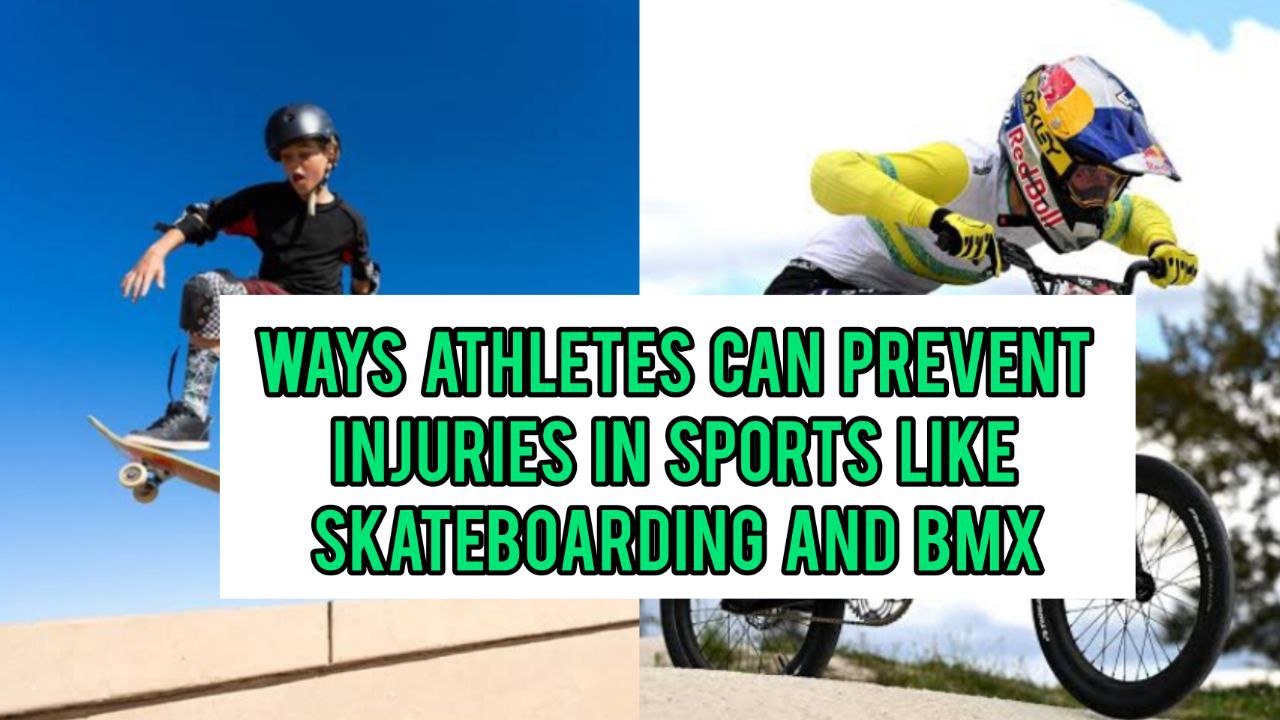
Alternative sports like skateboarding and BMX are exciting, dynamic, and full of thrills. They let you express yourself, push limits, and feel that rush of adrenaline like nothing else. But as much as we love these sports, they come with their fair share of risks. Flying off a ramp or sliding down a rail might look effortless, but one wrong move can land you in the ER. Fortunately, preventing injuries is possible with the right approach and preparation. Let’s dive deep into 15 ways you can stay safe while tearing up the skatepark or track.
Contents
- 1 15 Ways Athletes Can Prevent Injuries In Sports Like Skateboarding And BMX
- 1.1 1. Always Wear Proper Protective Gear
- 1.2 2. Warm Up Before Every Session
- 1.3 3. Practice Good Technique
- 1.4 4. Don’t Skip Rest Days
- 1.5 5. Invest in Quality Equipment
- 1.6 6. Train Your Core Strength
- 1.7 7. Learn How to Fall Properly
- 1.8 8. Stay Hydrated
- 1.9 9. Wear Proper Footwear
- 1.10 10. Avoid Risky Stunts When Tired
- 1.11 11. Build Your Flexibility
- 1.12 12. Keep a First Aid Kit Handy
- 1.13 13. Ride in Safe Environments
- 1.14 14. Listen to Your Body
- 1.15 15. Stay Mentally Focused
- 2 Conclusion
- 3 FAQs
15 Ways Athletes Can Prevent Injuries In Sports Like Skateboarding And BMX
1. Always Wear Proper Protective Gear
Let’s start with the basics: protective gear. This isn’t just for beginners—it’s for everyone, no matter how experienced you are. A helmet is non-negotiable; it’s your first line of defense against head injuries, which can be life-altering. For BMX riders, a full-face helmet offers extra protection for your jaw and face during high-speed or high-impact crashes. Knee pads, elbow pads, wrist guards, and padded shorts might not seem stylish, but they can save you from nasty scrapes, fractures, and bruises. Quality matters, too. Invest in gear that fits well, stays secure, and doesn’t restrict your movement. Think of it as your armor—it should work with you, not against you.
2. Warm Up Before Every Session
Imagine trying to sprint without warming up—you’d probably pull a muscle before you even got going. The same principle applies to skateboarding and BMX. Your body needs time to transition from rest to action. A solid warm-up should include light cardio, like jogging or jumping jacks, to get your blood flowing. Follow it up with dynamic stretches targeting your legs, arms, and core. Hip flexor stretches, arm circles, and lunges are great options. Warming up not only enhances your performance but also reduces the likelihood of muscle strains and joint injuries.
3. Practice Good Technique
Mastering proper technique isn’t just about looking cool; it’s about staying safe. Poor posture, incorrect foot placement, or awkward landings can put unnecessary strain on your body and lead to injuries over time. If you’re learning a new trick, take it slow. Break it down into smaller steps and practice each one until it feels natural. Watching tutorial videos or getting advice from seasoned riders can help you fine-tune your form. Remember, every pro started with the basics, so don’t rush the process.
4. Don’t Skip Rest Days
It’s easy to get caught up in the excitement and want to practice every day, but your body needs time to recover. Overtraining can lead to fatigue, muscle imbalances, and overuse injuries like tendonitis. A rest day doesn’t mean you have to sit on the couch all day (unless you want to!). Light activities like walking or yoga can keep you active while allowing your body to recover. Pay attention to how you feel. If you’re sore or tired, give yourself permission to take a break. It’s better to miss a day than risk weeks—or even months—of recovery from an injury.
5. Invest in Quality Equipment
Your skateboard or BMX bike is your tool, and it needs to be in top condition. A cracked deck, loose bolts, or worn-out wheels are accidents waiting to happen. Regularly inspect your gear for signs of damage. Tighten screws and bolts, replace bearings, and make sure your wheels or tires are in good shape. For BMX riders, check your chain tension and brakes. Investing in high-quality equipment might cost more upfront, but it pays off in performance and safety. Think of it as an investment in your longevity in the sport.
6. Train Your Core Strength
A strong core isn’t just for six-pack selfies—it’s a crucial part of injury prevention. Your core muscles stabilize your body, improve balance, and help you control your movements. Whether you’re sticking a landing or navigating a sharp turn, your core is working overtime. Incorporate exercises like planks, side planks, sit-ups, and leg raises into your fitness routine. For added variety, try activities like pilates or yoga, which focus heavily on core strength and flexibility.
7. Learn How to Fall Properly
It might sound counterintuitive, but knowing how to fall can save you from severe injuries. When you’re about to hit the ground, the instinct is to put your hands out to break the fall. While this might seem logical, it often leads to wrist, elbow, or shoulder injuries. Instead, try to roll with the fall. Tuck your head and use your arms and legs to absorb the impact gradually. Practicing this technique on softer surfaces, like grass or mats, can make you more confident when it happens unexpectedly.
8. Stay Hydrated
Hydration is an underrated aspect of injury prevention. When you’re dehydrated, your muscles lose elasticity, and your reaction time slows down, making you more prone to accidents. Drink water before, during, and after your session. If you’re riding in hot weather or engaging in long sessions, consider sports drinks with electrolytes to replenish lost minerals. Keep a water bottle nearby and make hydration a habit. Your body—and your performance—will thank you.
9. Wear Proper Footwear
Your shoes are your connection to your board or pedals, so they need to be up to the task. For skateboarders, look for shoes with flat, grippy soles and extra padding around the toes and heels. BMX riders should opt for shoes with stiff soles and good traction to prevent slipping off the pedals. Avoid wearing worn-out or inappropriate shoes, as they can compromise your balance and lead to awkward landings. Investing in the right footwear is just as important as investing in your equipment.
10. Avoid Risky Stunts When Tired
When you’re tired, your coordination and judgment take a hit. That’s not exactly ideal when you’re attempting a complicated trick or high-risk stunt. If you’re feeling exhausted, stick to easier maneuvers or call it a day. Fatigue makes it harder to react quickly and increases the likelihood of mistakes. Remember, there’s always tomorrow. Prioritizing your safety over showing off is a sign of a smart athlete.
11. Build Your Flexibility
Flexibility is often overlooked but plays a crucial role in preventing injuries. Tight muscles are more prone to strains and tears, especially in high-impact sports. Stretching should be a regular part of your routine, not just something you do when you feel stiff. Dynamic stretches are great for warming up, while static stretches work best after your session. Incorporate yoga or pilates into your schedule to enhance your overall flexibility and body awareness.
12. Keep a First Aid Kit Handy
Accidents happen, even to the most experienced athletes. Having a first aid kit nearby can make a world of difference in how quickly and effectively you respond to an injury. Your kit should include essentials like band-aids, antiseptic wipes, gauze, medical tape, and an ice pack. Learn basic first aid techniques so you know how to handle common injuries like cuts, scrapes, and sprains. Being prepared can prevent minor injuries from becoming bigger problems.
13. Ride in Safe Environments
Not all skateparks or BMX tracks are created equal. Choose spots that are well-maintained, with smooth surfaces and properly designed ramps. Crowded parks increase the risk of collisions, so try to find quieter times to practice. If you’re riding in urban areas, scout the terrain beforehand for hazards like uneven pavement, cracks, or debris. A safe environment allows you to focus on your performance without constantly worrying about external risks.
14. Listen to Your Body
Your body is always communicating with you—you just have to listen. If something feels off, don’t ignore it. A sharp pain, persistent discomfort, or swelling are all signs that you need to stop and assess the situation. Pushing through pain might seem tough, but it often leads to more severe injuries. Rest, ice, compression, and elevation (RICE) can help with minor injuries. For anything more serious, seek professional medical advice.
15. Stay Mentally Focused
Your mindset is a big part of staying safe in alternative sports. Distractions, overconfidence, or hesitation can lead to mistakes. Before you start, take a moment to visualize your moves and get in the zone. Confidence is key, but it has to be backed by preparation and skill. A focused mind helps you react quickly, make smart decisions, and avoid unnecessary risks.
Conclusion
Alternative sports like skateboarding and BMX are as much about skill and creativity as they are about safety. By taking these 15 precautions, you can minimize the risk of injuries and keep pushing your limits without fear. Remember, the goal isn’t just to perform—it’s to enjoy the sport for years to come. Stay safe, have fun, and keep shredding!
FAQs
What protective gear is essential for skateboarding and BMX?
The essentials include a helmet, knee pads, elbow pads, wrist guards, and sturdy footwear. BMX riders might also consider a full-face helmet.
How can I recover quickly after an intense session?
Proper rest, hydration, and stretching can speed up recovery. Foam rolling and ice baths can also help reduce muscle soreness.
What’s the best way to prevent overuse injuries?
Take regular breaks, mix up your training, and don’t overdo repetitive movements. Incorporate strength training to support your joints and muscles.
How often should I replace my gear?
Inspect your gear regularly and replace it as soon as you notice significant wear or damage. High-use items like wheels and bearings may need more frequent replacement.
Can mental preparation really prevent injuries?
Absolutely. Staying focused and confident helps you make better decisions and reduces the chances of hesitation or mistakes.

Danz has extensive experience as a senior editor at renowned publications like Money, Consumer Reports, Success, and Reader’s Digest. As a writer, his work has appeared in prestigious outlets such as The New York Times, Parade, Smithsonian, National Geographic Traveler, Investopedia, PBS NextAvenue, and Wirecutter. With over seven years of expertise, Danz specializes in personal finance, Sports, Trends and consumer topics, contributing to both major print and online platforms.